





Why Book with Us
- Secure Online Payments
- 99% of guests would rebook
- An Experienced, Family Business
- Contact our team 24/7
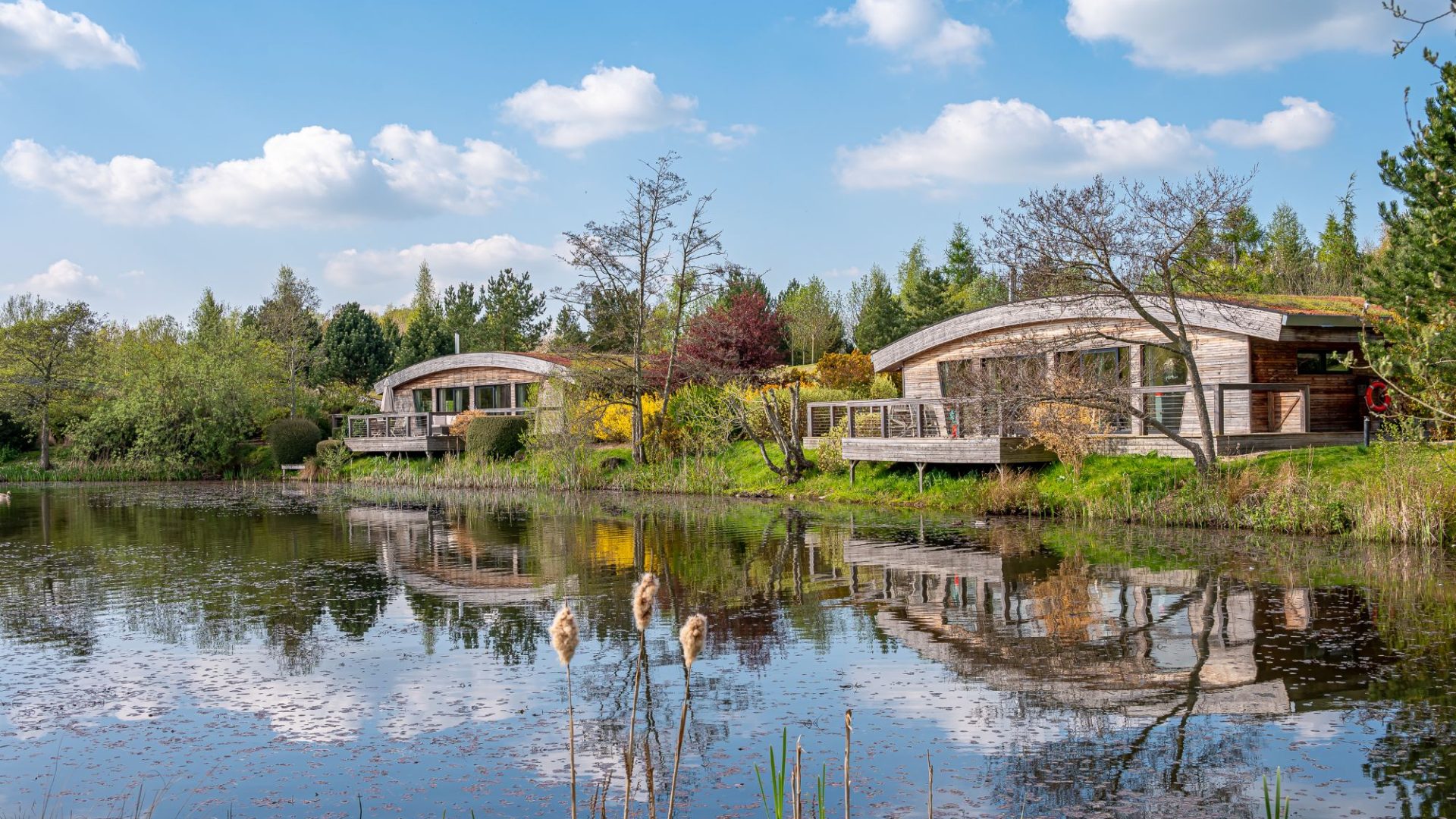
Buying a holiday let property is an exciting investment, but as a property owner welcoming the public through the door, you are operating as a business. And a business needs the right insurance. We are agents for holiday letting in North Yorkshire and not insurance advisors, but this guide sets out what to look for, things that catch an owner out, and questions to ask your insurer.
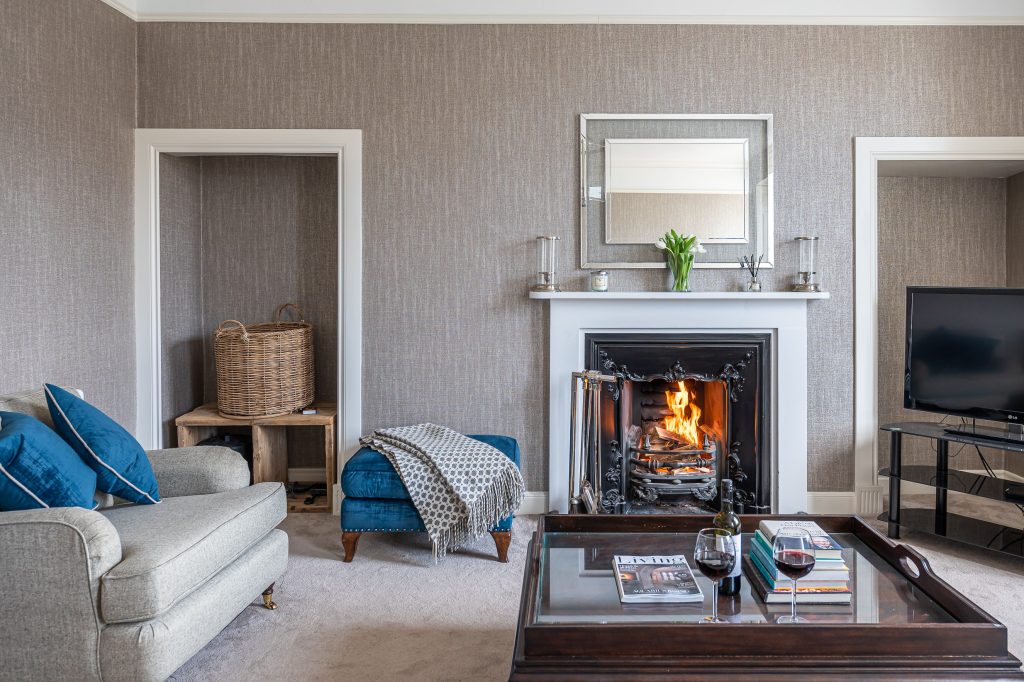
No business is free of risk, and holiday letting is no different. If a pipe bursts over winter, a guest is injured, or there is a fire, flood or break-in, the cost falls on you as the property owner. Without the right insurance policy, you can face a large bill and even risk the business itself.
Standard home and second home insurance are not enough. A second home policy covers a property you use yourself. Once you let to paying guests, it usually excludes the commercial letting risks such as guest liability and loss of rental income. Holiday let insurance is built for those risks.
Tell your insurer how the property is let. If your holiday let is signed up to business rates but your insurer has it as a second home, the mismatch can cause issues when you make a claim. Our rates and tax guide explains how business rates work.
Common reasons to claim:

Public liability pays out if a guest or member of the public is injured, or their property is damaged, and you are held responsible. This is the most important cover you can have. Accidents on stairs, in the garden and around wood burners and hot tubs are the common ones. Booking platforms tend to expect that you have it. We ask owners to hold public liability cover of £5 million, and it is a clause in our owner agreement.
Employers’ liability. If you employ people directly, such as cleaners, this is a legal requirement. It is not needed for a cleaning company or self-employed contractors, who should hold their own policies.
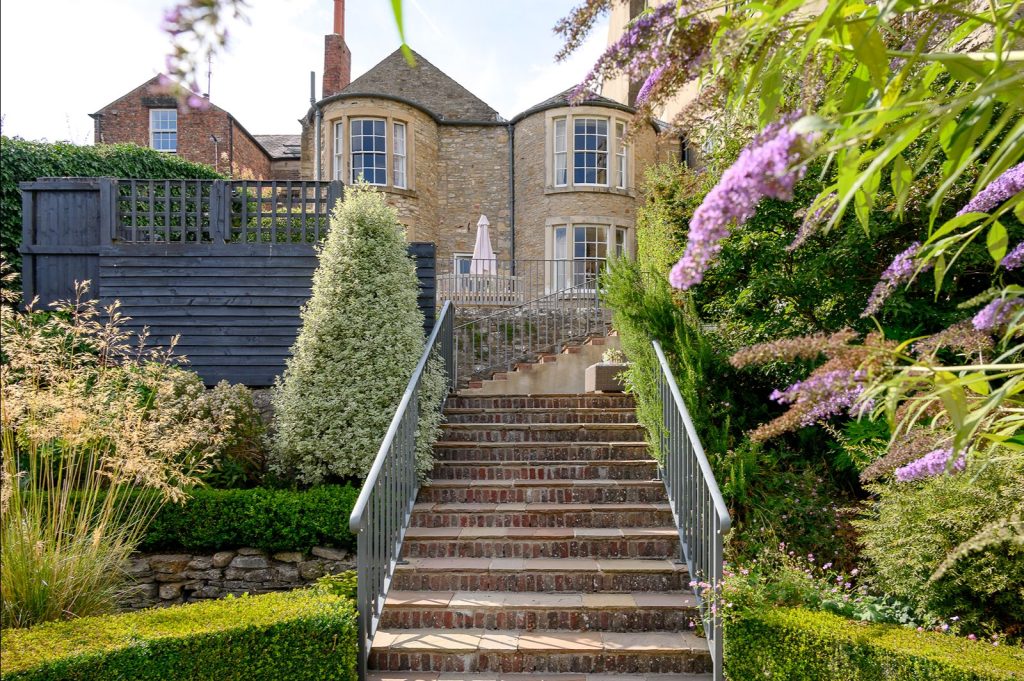
The property structure is covered by buildings cover. This includes the walls and roof, and permanent fixtures like kitchens and bathrooms. Insure for the rebuild cost, which is not the same as the market value. A surveyor can help work it out, and the Association of British Insurers has guidance. If you have a mortgage, your lender may insist on buildings cover.
Contents cover includes anything that would fall out if you turned the house upside down: furniture, appliances and other items. It is optional, but we recommend it. Make an inventory, photograph it, and list what items are worth. It helps you choose the right level of coverage, and it helps if you ever need to make a claim.
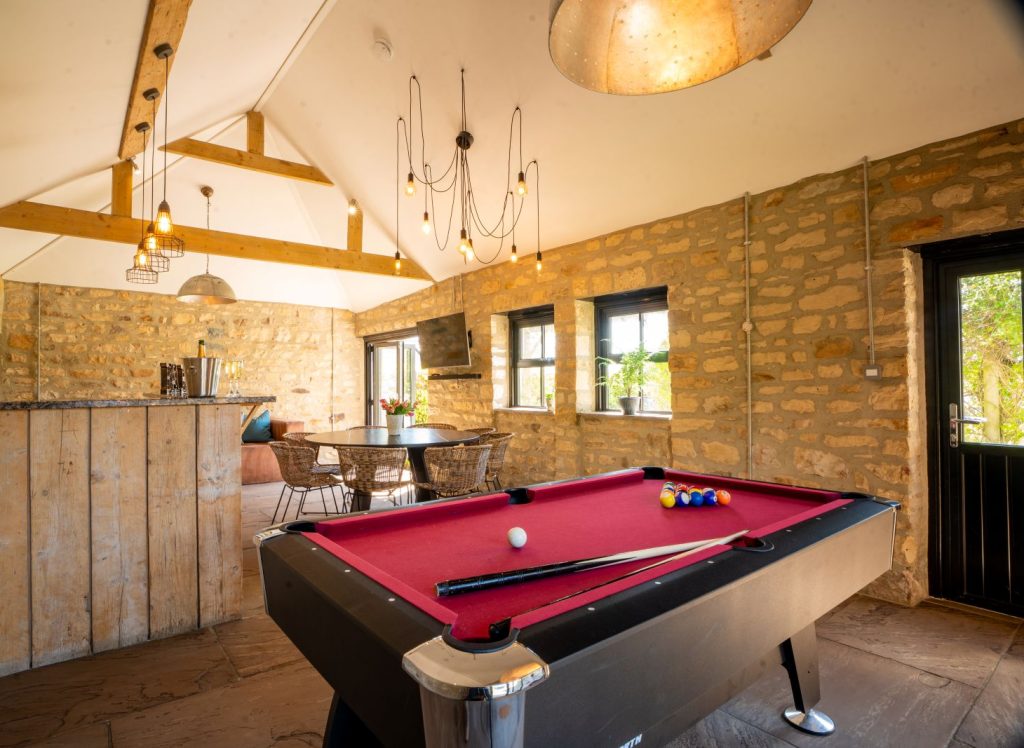

Many don’t cover paying guests or public liability insurance, so make sure to arrange specific cover. Read our farm diversification guide.
A larger holiday home may hold valuable contents, art and furniture. Check that the sums and single-item limits are high enough.
Make sure that hot tubs, saunas and pools are named on the policy, and that every outbuilding is listed.
The documents are long, and the wording can be complicated, but policies differ so reading it carefully is important. These are the points that are most often catching owners out:
Features and hazards. A hot tub, swimming pool, sauna or open fire attracts guests, and it comes with extra risk or covenant. Make sure the policy covers them, and read our hot tub guide before you install one.
Pets. If you accept dogs, check the policy covers damage caused by them.
Empty periods. Check for unoccupancy or winter conditions. If the property is empty for long periods, or you cannot visit often enough, an insurer may restrict cover. You may have to check weekly, prove that you’ve got a minimum temperature on your thermostat, and more.
Security requirements. Some policies require measures such as a lockable key safe, and not having them can invalidate a claim. Check that cover includes theft where a guest leaves a door unlocked.
Contents limits. Many insurers cap the value of individual items and the total of a claim, and the breakdown of appliances may not be covered.
Underinsuring. Understating the rebuild cost to save on the premium can leave you underinsured when you claim. List garages, sheds and outbuildings, or they may not be covered.
Changes. If you add a hot tub, an extension or another structure, tell your insurer straight away. Your premium may rise, but you will not be covered in the meantime if you wait.
Hazards and fire safety. Steep stairs, an uneven path, or a newly polished floor can cause accidents. Fire safety legislation is outlined on gov.uk, and you will be expected to meet this by your insurer. Consider warning signage and communicate what is expected of guests.
General wear and tear. This is generally not covered by insurers, and you need to be aware that this is factored into the booking rates.
Not in England, but GOV.UK says you should have dedicated holiday let insurance, public liability cover, and buildings and contents cover suitable for short lets. Employers’ liability is a legal requirement if you employ people. We require owners to hold public liability cover.
Usually not. These policies tend to exclude commercial letting, and letting to paying guests can invalidate them. Tell your insurer you are letting, and ask for holiday let cover.
Buildings insurance covers the structure and fixtures, such as walls, roof, kitchens and bathrooms. Contents covers everything that would fall out if you turned the house upside down: furniture, appliances and other items inside.
Housekeepers and maintenance contractors should hold their own public or employer liability policies. If you employ people directly, you need employers’ liability cover.
Holiday at Home are experienced holiday letting agents and are also property owners themselves. We can guide you through the process of insuring your holiday property to minimise risk. Our free income estimate includes booking rates and costs so you can get the right level of cover. If you prefer a call: 01748 850333

Why Book with Us
Call us, leave a message or request a call back
Contact UsHolly Day - AI Assistant
AI assistant
AI assistant - answers may not always be accurate. Please confirm details before booking.